OU Health doctor shares concussion warning signs in youth sports
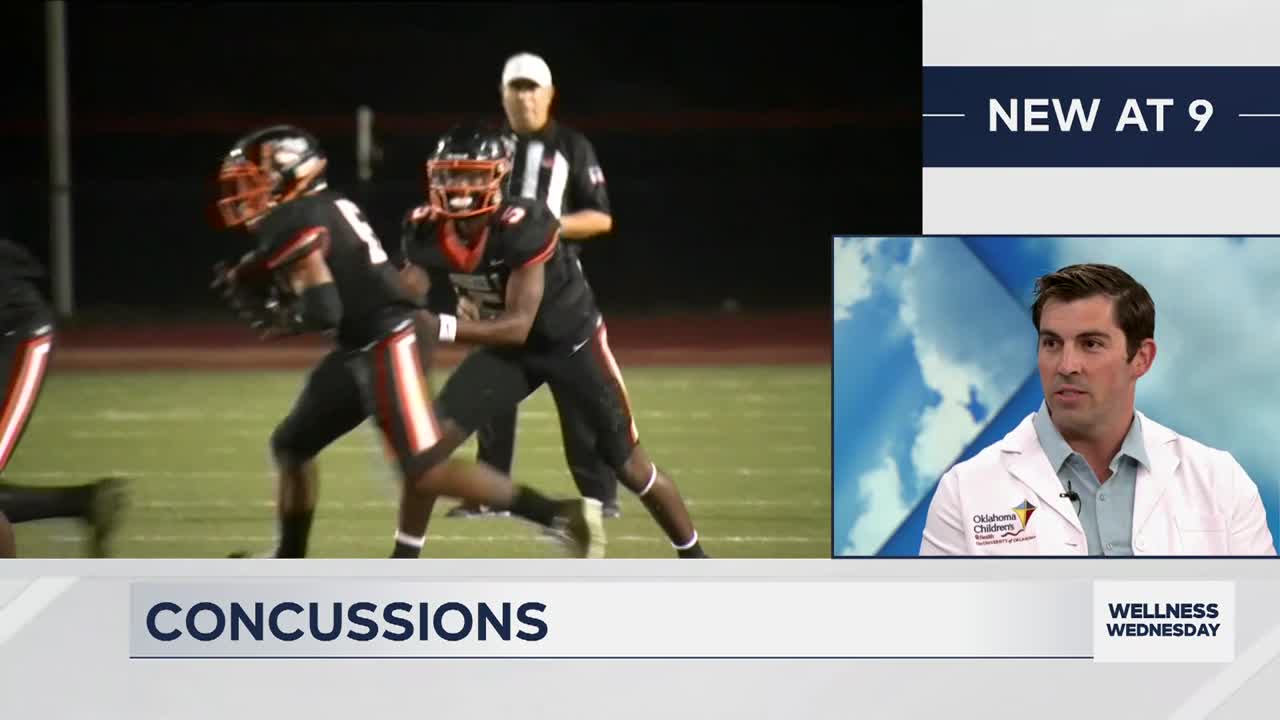
Fall is prime time for youth sports, with football season in full swing and basketball season right around the corner.
However, one of the most important aspects of youth sports is player health and safety, and there are several precautions players and parents can take when it comes to preventing head injuries.
News 9 spoke to OU Health’s Dr. Max Brookman, who specializes in pediatric emergency medicine, about what can be done.
Let’s start with what a concussion is.
Brookman: Any change in brain function, cognitive function, after head trauma, with or without losing consciousness, without passing out.
What athletes are you seeing come into the emergency? Can it be just anyone who has some type of head injury?
Brookman: I mean, the vast majority are football players, especially this time of year. It’s important to recognize that helmets, though they prevent things like skull fractures or serious brain bleeds, they generally do not protect against concussions. So it’s important to recognize who is at risk. Football players, but gymnasts, cheerleaders, anyone on a skateboard or bicycle.
What do you watch for in a concussion? What is concussion protocol, and what are you looking for?
Brookman: Anytime there’s head trauma, it’s important to recognize that it could be something more serious, like I was saying, a skull fracture or brain bleed, or it could be a concussion. The severe things that you want to look out for, if these occur, immediately go to the emergency room: Losing consciousness, vomiting repeatedly, having a severe headache, or not being steady on your feet. Those could just be a concussion, but you cannot rule out anything more serious. So you need to go to the emergency room.
Anything with eye focus at all?
Brookman: Double vision, blurry vision, even temporary loss of vision is possible.
What kind of tests do you do? Can parents even do anything at home?
Brookman: So there’s no definitive test. If you go to the emergency room or if you go to the doctor, there’s no blood test. Even MRIs aren’t exactly perfect at diagnosing a concussion. So it falls into physical symptoms, like I was saying, headaches, vomiting, but also cognitive; having brain fog, inattentiveness, um, even emotional changes. Being very irritable, being very sad, having trouble with sleep.
What does recovery look like from a concussion?
Brookman: It’s very important in the first one to two days to have complete physical and brain rest. That means no schoolwork, and that means no screens. After that kind of 48-hour window, it’s important to start getting back into it with kind of light movement, light walking, and then followed by lighter physical aerobic activity, and then followed by drills. After a complete medical clearance, then you can go back to sports. That could take anywhere from days to weeks.
link