NC lawmakers and health officials divided on effects of sports gambling | Archives
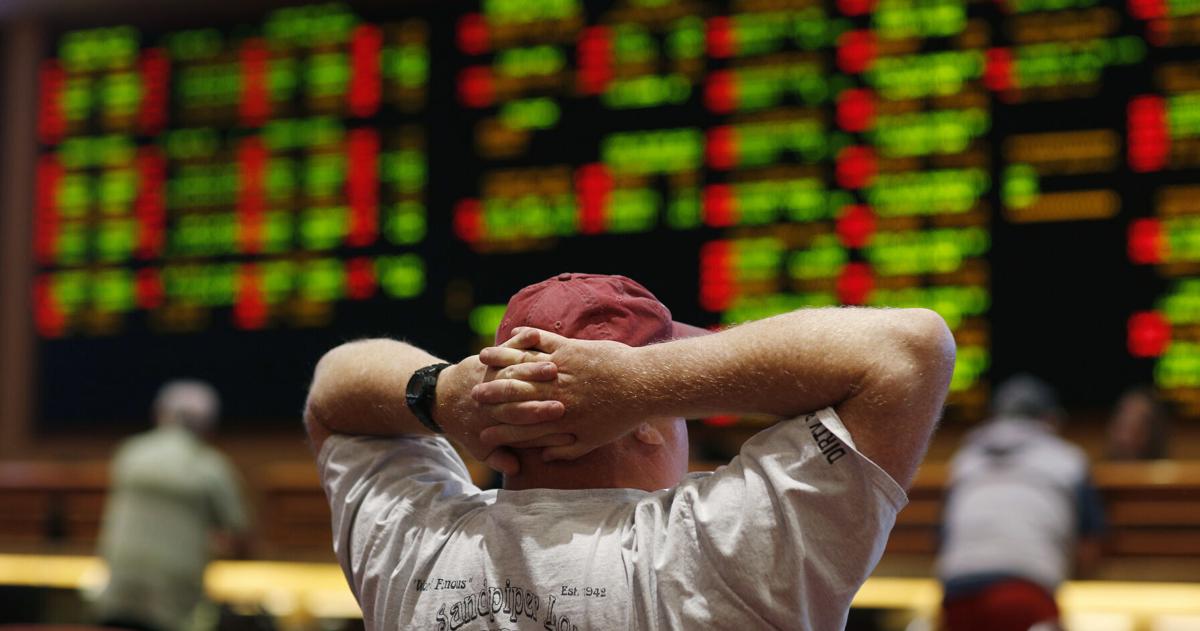
The explosion of sports gambling in today’s media atmosphere is undeniable. From massive advertisement budgets to corporate sponsorships, the idea of wagering money on sporting events has gone from taboo to unavoidable.
According to a recent WRAL report, North Carolina sports gamblers in the state bet over $436 million in the month of August, an increase of 30% from the year before.
In the midst of this tectonic social movement that combines sports, politics, economics and public health, it begs the question: What effect does sports gambling have on the community?
Jesus Peralta, the Public Information Officer for Granville Vance Public Health, said they have not seen any reported cases of sports gambling in Granville County.
Peralta, who has a master’s degree in public health from Tulane University, theorized that the lack of college-aged males in Granville County — and reliance on self-reporting — could impact the data on gambling addiction.
“I hesitate to say without having any quantitative data, but I doubt we are immune [from sports gambling addictions],” Peralta said.
In 2018, the Supreme Court green-lit states to allow gambling on sports across the nation, striking down a federal law that formerly banned the practice.
Sports betting is now legal in 39 states, including Washington D.C.; however, the young and quickly growing industry remains relatively unregulated at the federal level.
Connecticut Senator Richard Blumenthal is co-sponsoring the SAFE Bet Act, which would impose federal standards on sports gambling — like no advertising during live sports and no tempting bonus bet promotions, but lobbyists say federal rules would come as a slap in the face to state regulators.
Before the sports betting revolution, between one and two percent of Americans had a gambling problem. Now, that number is much higher.
When researchers at the UMass-Amherst tracked gambling behavior among regular betters in 2024, they found a significant increase in problem gambling rate — from 12 percent to 25 percent following the legalization of sports gambling.
While the public health effect of sports gambling seems rather clear, the financial impact it can have on the statewide economy is far more muddled.
A $2 million grant, financed by tax revenue from sports betting, was a big factor in Charlotte landing the 2026 MLS All-Star game.
Last month, WRAL reported that North Carolina Amateur Sports, a non-profit that hosts sanctioned statewide sporting events like the BodyArmor State Games, will provide about $2 million to support equipment and infrastructure for youth sports across all 100 counties in the state.
Tax revenue from sports betting goes toward things like college athletic departments, youth sports organizations, and the Department of Health and Human Services to support treatment for gambling addiction.
Ironically, the tax dollars serve as a “double-edged sword” when stuck in this feedback loop, as Peralta explained.
Personally, Peralta does not gamble or recommend it for anyone. He would rather watch the game without having to worry about moneylines or prop bets.
“You always hear that a lottery, or any type of gambling, is basically a tax on the poor. They’re going to be the ones that are more likely to invest it,” he said. “You can’t blame North Carolina for doing what 39 other states are doing. But it’s still not good for any of the states participating.”
Newly re-elected Henderson City Councilman Lamont Noel echoed Peralta’s sentiments on Wednesday.
“People are struggling as is and can’t afford to lose,” said Noel. “Is it something we want to encourage for our citizens? No.”
Noel referred to the new day trading program promoted by Mayor Melissa Elliott and funded by the African American Mayors’ Association’s Economic Mobility Leadership Institute as another form of gambling, just like the lottery.
“Day trading is gambling, and there are better ways to help our citizens than teaching them how to wager,” said Noel.
Henderson resident Allison Roberson said her sons are really into sports gambling.
“Winning hooks them, and then they want to do it again. It can be dangerous,” said Roberson. “They don’t have any money to lose. They never cash in, they just keep betting.”
While winnings in day-trading and sports betting can ebb and flow wildly, Noel said savings accounts and long-term investments are far surer ways to make money.
“There is no such thing as ‘get-rich quick,'” said Noel.
However, other politicians in the state share a different perspective on the effect sports gambling has locally.
Democratic State Rep. Zack Hawkins told WRAL, “The money North Carolina has raised from this growing industry has made a positive impact in so many ways. These grants have provided athletics equipment, fields and facilities, and leagues to get our children playing and competing.”
According to Chuck Hobgood, the president of North Carolina Amateur Sports, “We know opinions on sports wagering may differ, but everyone can agree that expanding opportunities for youth sports in every North Carolina county is a very positive outcome of the sports wagering legislation.”
Conversely, Peralta also alluded to how legalized sports gambling breeds controversy and an erosion in the integrity of the game.
Already, there have been a slew of high-profile gambling scandals in professional sports.
From LA Dodgers’ pitcher Shohei Ohtani’s interpreter Ippei Mizuhara — who is currently serving 57 years in federal prison for engaging in theft and tax fraud to fund his gambling addiction — to Jontay Porter pleading guilty to a federal conspiracy to commit wire fraud in connection to a gambling scandal that earned him a lifetime suspension from the NBA, gambling legalized gambling has left a blemish on North America’s most prominent sports leagues.
The proof is in the pudding: sports gambling isn’t going anywhere. The question is, how will politicians, public health officials and power brokers in the sports industry choose to respond to the growing economic, societal and political pressures?
link