Inside The NBA Sports Medicine Series

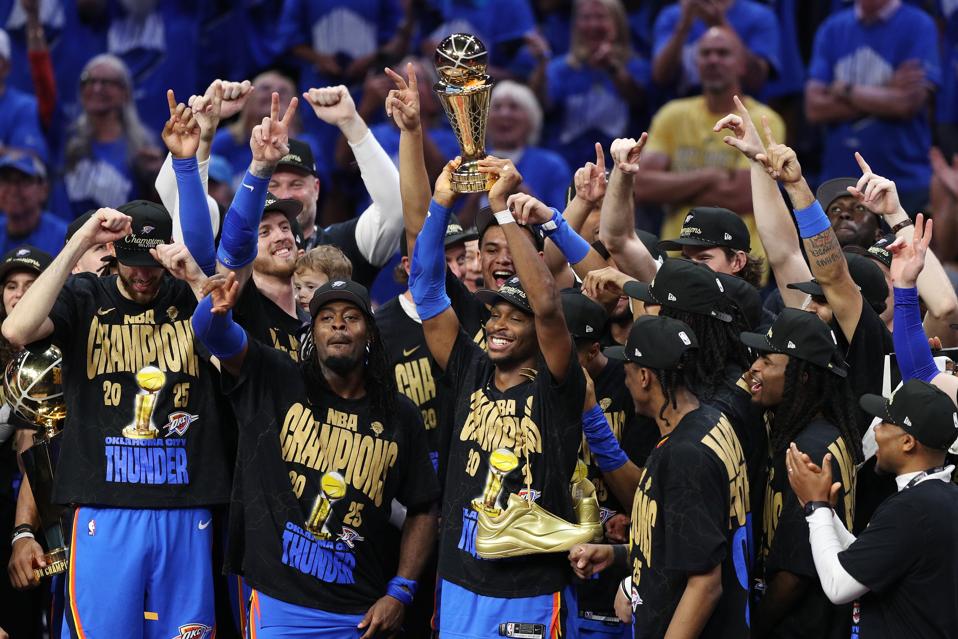
Understanding The Collective Effort Behind A Championship Team
Getty Images
It takes a comprehensive team to bring out the best in an NBA player and organization. In addition to the team focused on maximizing the performance during the game, a team of clinicians, executives, and scientists that spans sports medicine professionals. Data analytics, physicians, physical therapists, athletic trainers, nutritionists, and many more collaborate to bring out the elite performance in world-class athletes.
Sometimes this work is done in silos, and best-in-class tips may not be shared effectively across a team or across a league. That is where the vision of the NBA Summer League Sports Medicine Series enters, led by Dani Lanford, Manager of Player Rehabilitation Golden State Warriors.
Dani Langford
Dani Langford
The goal is to break down walls, create dialogue between NBA and non-NBA professionals, and support those helping athletes year-round.
Featured guests included NBA veteran Brook Lopez, Orlando Magic guard Jalen Suggs, and league executives that included Alvin Gentry, Vice President of the Sacramento Kings, and Tommy Sheppard, former General Manager of the Washington Wizards. I had the opportunity to sit down with several of them during the event to discuss the intricate ecosystem of team sports and the specialized career skills that are essential to develop in order to advance in this pathway.
Alvin Gentry, VP of Basketball Engagement, Sacramento Kings
Getty Images
The following are five key takeaways from the Sports Medicine Series that may redefine how you think about success in the arena of sports.
1. Learn the Language of the league
The most effective professionals can connect their expertise with others around them. In sports, silos between athletic trainers, data scientists, and medical staff can slow down performance improvement. In business, similar gaps exist between strategy, operations, and execution. This rapid and efficient communication is critical when it comes to managing or preventing injury, maximizing team dynamics, and staying ahead of potential challenges throughout the season.
NBA veteran Brook Lopez emphasized that the most trusted people on his care team are not always the ones with the most credentials. They are the ones who communicate clearly and collaborate across roles. Danielle Langford said it best: “Creating more fluidity between levels, departments, between people, is how we grow. Getting everyone in the same room shifts the conversation.”
One of the key panels of the conference highlighted the importance of this efficient, effective, and thorough communication across the organization.
Tommy Sheppard
Getty Images
Tommy Sheppard, a veteran executive of the NBA for over 30 years, emphasized the importance of being great at the specific role that we have.
We must all embrace how important it is to understand our roles. The professional athlete needs support in so many areas, and it is crucial that everyone embraces their role to provide support to the best of their ability.
Career takeaway: Learn your craft deeply, but also learn how to speak the language of others. Progress often happens in the spaces between specialties.
2. Focus on the Players, not the Prestige
Across every panel and conversation, one idea kept resurfacing. If the athlete does not feel seen, none of the work matters. There is a lot of glamour that comes with being around professional athletes. It’s important to go beyond the show and focus on the humans themselves. Dani puts it this way when asked about the most important career skills needed in this work:
The top ones are adaptability and flexibility. Your schedule can change the night before a game. Communication and teamwork are also huge. At the Warriors, the people make the place special, so connecting with others and checking your ego at the door are important. You need to be here for the people, not the prestige.
This principle extends beyond sports. In leadership, entrepreneurship, and healthcare, people are more likely to thrive when they feel personally understood.
Career takeaway: Beware of fandom in professional sports careers. In order to create a sustainable career, the player must be central to your work, not just the prestige of the role.
3. Translate complex data into daily insight
Sports science is advancing rapidly. Metrics like heart rate variability and sleep efficiency are now standard in elite environments. But what happens when the data says one thing and the person says another?
Jalen Suggs offered a candid insight: “The numbers help, but sometimes you just know your body’s not there yet.” Danielle Langford added: “You can bring positive energy, create a good environment, and contribute. But in the end, it’s really about the athlete.”
In complex fields, numbers provide clarity, but intuition and relationships built from experience still plays a vital role.
Career takeaway: Data should inform your decisions, but it cannot replace judgment. The best professionals learn how to blend both.
4. Respect the Complexity of Recovery
Recovery is a major theme in professional sports. This goes beyond a specific injury but expands to the daily process that involves micro-recovery of the sleep schedule, managing difficult headlines, and maintaining an elite routine. This process is often not just physical but engages the entire team. The process involves timing, focus, and comprehensive recovery.
Jalen Suggs explained it well:
Trusting your body again is a whole different level of rehab.
That emotional and mental layer is true in professional life outside of sports as well. Reentering after burnout or disappointment requires more than just reengagement. It requires self-awareness and support.
Internationally respected Senior Sports Psychiatrist, Derek Suite, MD, who has over 15 years of guiding elite athletes across the NBA, NFL, NHL, and MLS, explains how he trains the next generation of sports psychiatrists to approach helping players with sports injuries navigate the recovery process:
Derek H. Suite, MD, senior sports psychiatrist and performance consultant
Derek H. Suite MD
First, diagnostic precision- distinguishing grief over lost ability from clinical depression, because the interventions are worlds apart. Second, somatic integration-the body keeps the score of injury trauma, so we rebuild neural pathways through graded exposure, not just positive thinking. Third, ecosystem leadership, an athlete’s recovery lives in the spaces between medical appointments, so we orchestrate care teams like conductors, not consultants
Career takeaway: Growth and recovery are not linear. Understanding the dynamic ecosystem of a team allows you to become indispensable to an organization.
5. Understand that information is currency
The balance between privacy and transparency can be a difficult one to strike. One of the most important principles in professional sports is that it must always be player-driven. I spoke with Maggie Bryant, President of Performance Health and Wellness, who often navigates this nuanced approach to keeping staff informed while fiercely guarding players’ trust.
Maggie Bryant, President of Performance Health and Wellness, Los Angeles Clippers
Maggie Bryant
“Information is gold. The ability to communicate at a high level and know when to share something, and who needs to know, is key. Having a clear-cut process in mind establishes trust. The more trust you can develop with players, the more effective you will be.
She discussed that at this level, you can be a very skilled clinician but be entirely ineffective if players do not trust you or buy into your approach. She credits her father as well as key mentors, who walked her through foundational skills of establishing these long-term relationships with authenticity.
Career takeaway: The discipline of developing trusting relationships is a career skill that is sometimes even more valuable than the technical skills of a position.
Bottom Line
The Sports Medicine Series was more than an event. It was a snapshot of what sustainable, fulfilling careers look like in high-performance fields of sport. Building a great career in sports is about learning across disciplines, respecting the complexity of team dynamics, and never losing sight of the people you serve.
link