


BISMARCK, N.D. (KFYR) – A stroke can change someone’s life forever. That was the case for Scott Flessness. Flessness worked as a mechanic and on ranches for most of his life, but after his stroke, he lost all feeling in his left hand.
Flessness used to be able to fix a machine without a second thought, but when he had a stroke nearly a year ago, he lost feeling and function of his left hand. He was helping out on his friend’s ranch when it happened, and 20 days later, he woke up in Fargo with no memory of the event. All he knew was that he was no longer able to move his left hand.
“It scares you. When you’ve done things your whole life with both hands, and then you can’t do it. Like I said, there’s a lot of things, you know? Just holding my cell phone or something like that, if I’m not paying attention, it falls right through my hand. I’m 67 years old. I’ve been working with this hand all my life, and it’s hard,” Flessness said.
Flessness said it got to the point where he was asking doctors to cut it off.
“I had no use for it. It was dead at the time,” Scott Flessness.
His doctors sent him to occupational therapy with Cori Radke in September of 2024, and he said it was difficult at first.
“When I first met him, he walked right in the door and said, ‘I don’t know what you’re going to do or be able to help me, because my hand is dead, and it doesn’t do anything. I’d rather have it cut off; I asked the doctor to get it cut off,’” Radke said.
Since Radke started working with Flessness, she said he has gone from feeling nothing to about 80% or 90% sensation. It’s been an adjustment, though; he uses his eyes a lot more than he used to whenever he wants to move his left hand.
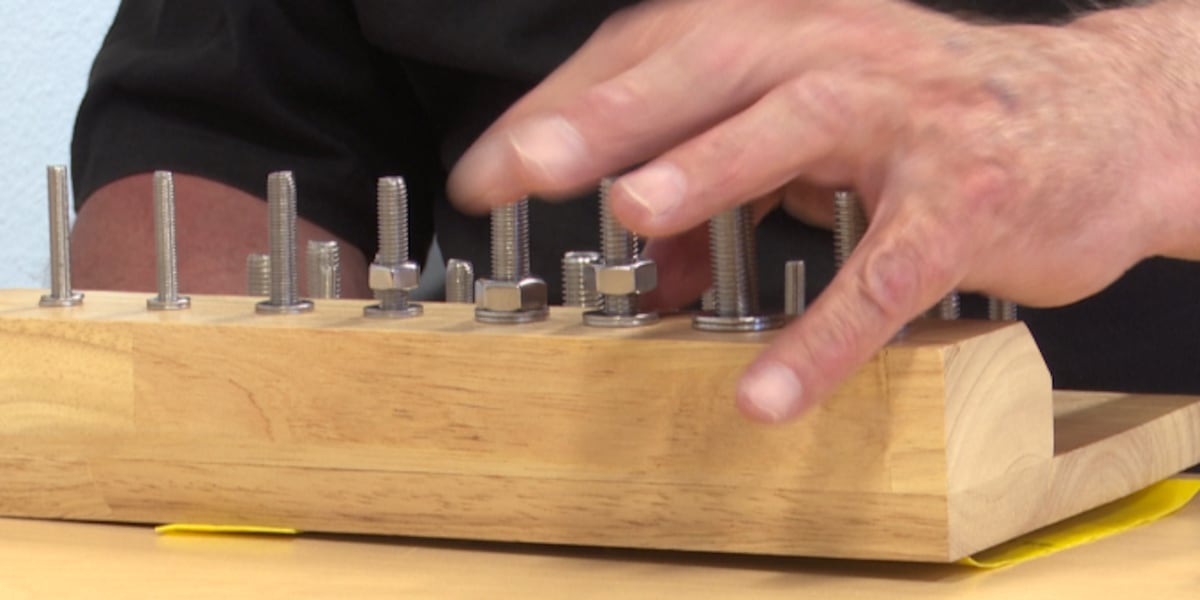
Radke and Flessness slowly worked toward tasks like identifying objects without looking and untying knots— things he wouldn’t have been able to do before. She said Flessness has been dedicated to doing exercises on his own as well, and it’s made a difference.
“Your patient has to be motivated to do the work outside, and I think with both of us working together as a team, we can accomplish really great things. You can get back to being as independent as possible,” Radke said.
Flessness said even though it was painful, the therapy was worth it.
“If they’re assigned therapy, go for it, 100%. It may hurt you. You may get mad or something like that, but you’re always going to come out ahead,” Flessness said.
Flessness said things he wouldn’t have been able to do nearly a year ago are slowly becoming easier. He said even when it’s frustrating, pushing himself under Radke’s guidance has made a world of difference.
Flessness is retired now, but he hopes he’ll be able to return to some of his normal activities.
Copyright 2025 KFYR. All rights reserved.
link