


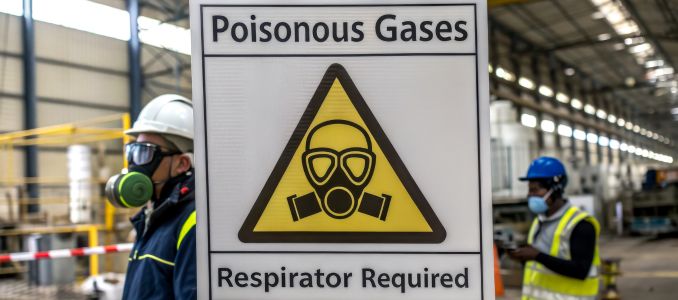

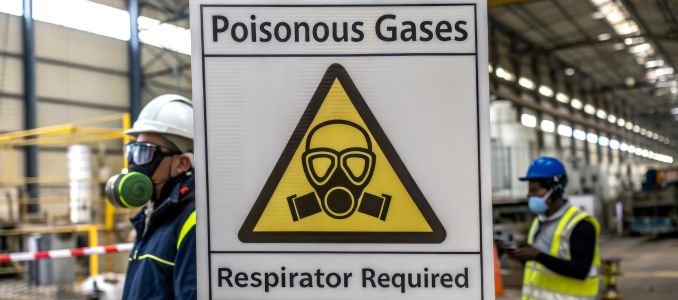
Hydrogen Sulfide Gas Exposure During the Animal Rendering Process
Hydrogen sulfide gas is a hidden but deadly hazard in animal rendering, where workers risk exposure during decomposition and processing—highlighting the need for strict monitoring, protective controls, and stronger safety practices.
Introduction
Hydrogen sulfide (H₂S) is a colorless gas with a distinct rotten egg odor. It occurs naturally in many industries, including manure storage, oil and gas operations, sewage treatment, tank cleaning, and animal waste management. Rendering, the process of converting waste animal tissue into usable materials, has been practiced for centuries and continues to be a vital part of modern agriculture and food production. Instead of landfilling millions of pounds of animal by-products, rendering transforms them into valuable fats, oils, proteins, and other materials. This not only supports the economy but also advances sustainability goals by reducing waste and conserving resources.

The Rendering Process
Each year in the U.S. and Canada, more than 62 billion pounds of renderable materials are collected from farms, feedlots, and slaughter facilities. About 16 million tons of rendered products are produced, supplying ingredients for biofuels, pet food, fertilizers, personal care products, and even pharmaceutical capsules. Rendering involves thermal and chemical processing of animal by-products—blood, offal, bones, fat, feathers, hides—into proteins, fats, gelatin, and fertilizers.
While rendering supports sustainability, decomposition of biological materials such as poultry feathers produces hydrogen sulfide gas. Workers may be exposed during various points in the process, especially when materials are stored or processed under heat and pressure. In October 2024, employees dumping offal at a rendering plant were exposed to levels of H₂S far above OSHA’s ceiling limit of 20 ppm.
Sources of Hydrogen Sulfide Exposure
Hydrogen sulfide is generated during decomposition of sulfur-containing amino acids and in lagoons, digesters, and waste pits. In rendering facilities, high-pressure steam hydrolyzers used to convert feathers to meal are a major risk point. Workers may also encounter other hazardous byproducts, including ammonia, volatile organic compounds, and bioaerosols.
The dangers are well documented. In 2009, Tyson Foods was fined $500,000 after a worker was killed and two others injured from H₂S exposure at a rendering plant in Arkansas. Similar incidents have been reported in Texas and abroad, underscoring the ongoing hazards of this process.
Toxicity of Hydrogen Sulfide Exposure
H₂S exposure occurs primarily through inhalation, with rapid absorption into the body. Even at low levels, it can cause eye, nose, and throat irritation, headaches, and nausea. At higher concentrations, symptoms escalate to coughing, loss of smell, dizziness, drowsiness, and airway problems. Above 100 ppm, exposures are considered Immediately Dangerous to Life and Health (IDLH), with unconsciousness and death possible within minutes.
link